

In this Post we will Discuss Acupuncture. However, in order to discuss acupuncture, we must cover the background, and set the baseline of what Qi is. Qi (also spelled Chi or Ki) is a term used in traditional Chinese culture to refer to the vital energy or life force that animates all living things.
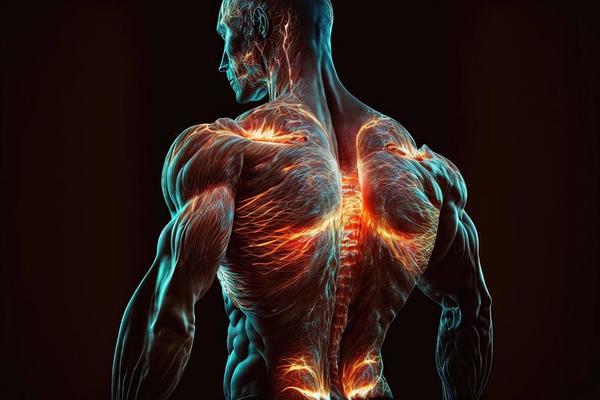
Qi is not blood or lymph, it is a separate flow of energy. This flow of energy resides in the facia or tissues of the body, usually residing around 2-3cm beneath the skin (this varies from person to person and the body’s region).
According to traditional Chinese medicine, Qi is thought to have two complementary aspects: Yin, which is associated with the passive and nourishing aspects of the body, and Yang, which is associated with the active and dynamic aspects of the body. These two aspects are meant to balance each other, keeping the body in a state of homeostasis.
In Chinese philosophy, Qi is believed to flow through the body along channels known as meridians and is essential for maintaining good health and vitality. In total there are 14 meridians, 7 Yin and 7 Yang.
The Conception Vessel (Yin) and Governing Vessel (Yang) flow in a linear fashion up the front of your body and down the back of your spine, eventually meeting back up to form a circular pattern. The remaining 12 meridians are associated with different organ systems, and split into 6 Yin (lung, heart, kidney, liver, spleen) and 6 Yang (large intestine, stomach, small intestine, bladder, and gallbladder) channels. Qi flows from one meridian into the next, all throughout the body. As this flow continues and is balanced, the person is healthy and in a state of well-being.

Each meridian houses multiple different points, or gates, along the channel. These are referred to as acupuncture points. These points have different specifications for what they can do, which acupuncturists dedicate their time to learning. At times the Qi’s flow can be interrupted, hindered, or stopped. The Qi can become stuck at any of these points, as if the gate closes. This is when illness, disease and other symptoms arise.
Acupuncture is used to help regulate the flow of Qi through the body’s meridians by inserting thin needles into the specific points along the meridians to stimulate the flow of Qi, or open the closed gates. By stimulating these acupuncture points, the flow of Qi can be regulated and balanced. Through stimulating specific acupuncture points, Qi can be directed to where it is needed most, helping to restore balance and harmony to the body’s systems. This is often described as “unblocking” or “rebalancing” the flow of Qi, which can help to alleviate a variety of symptoms and promote overall health and well-being.

While the concept of Qi and the meridian system is not recognized by modern Western medicine, there is some evidence to suggest that acupuncture may have a beneficial effect on a variety of health conditions, including chronic pain, anxiety, and depression. In modern science, acupuncture is believed to work by stimulating the nervous system, which in turn affects the release of neurotransmitters and other chemicals in the body. This can have a variety of effects on the body’s physiological processes, including the immune system, circulation, and hormonal balance.
It is important to note that acupuncture and TCM go deeper than what can be described in a single blog post, and the research being done shows great benefits to acupuncture in many facets of life. Many practitioners of Applied Kinesiology use acupuncture points through pressure stimulation, as they have seen the benefits.
Overall, acupuncture is something that everyone should consider looking into and experiencing the benefits for themselves. While this post serves as an introduction to acupuncture and TCM, I may write future posts on the benefits and research behind acupuncture.
If you have any questions or comments, please feel free to reach out.


Leave a Reply