

Introduction:
The human body is an extraordinary masterpiece, comprised of numerous intricate systems working in perfect harmony. Among these fascinating systems, the muscular system stands out as an unsung hero, enabling us to move, express ourselves, and undertake various physical feats. This introduction will serve as the start of the next series that we will cover, Muscle. In this post series, we embark on a journey to explore the captivating world of human muscles, uncovering their structure, functions, and the effects that they have in our lives.

The Structure of Muscles:
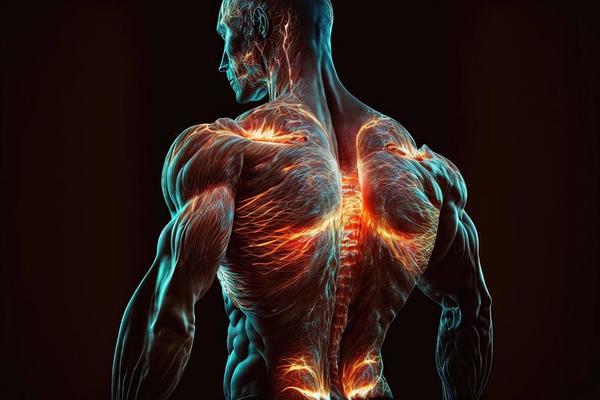
Muscles are soft tissues found throughout the body, forming a network of powerhouses that enable locomotion, stability, and control. Each muscle is made up of individual muscle fibers, long cylindrical cells specialized in generating force through contraction. These fibers are bundled together, encased in connective tissue, and organized into muscle groups.

Types of Muscles:
There are three main types of muscles in the human body: skeletal, cardiac, and smooth muscles. Skeletal muscles, attached to bones by tendons, are responsible for voluntary movements such as walking, running, and lifting weights. On the other hand, cardiac muscles make up the walls of the heart, enabling its continuous and rhythmic contractions to pump blood throughout the body. Smooth muscles are found in the walls of organs, blood vessels, and other structures, and control involuntary movements like digestion and blood vessel constriction.

Functions of Muscles:
Muscles play an indispensable role in our daily lives, contributing to a myriad of functions beyond just movement. Here are a few key functions:
- Movement: Skeletal muscles work in coordination with bones and joints, allowing us to perform a wide range of movements, from the simple act of waving a hand to the complex motions involved in athletic endeavors.
- Posture and Stability: Muscles provide the necessary support to maintain posture and balance, keeping us upright and preventing falls. Core muscles, in particular, are crucial for maintaining stability and protecting the spine.
- Heat Generation: Muscles have a remarkable ability to generate heat, which helps regulate body temperature. This is especially important during physical exertion and in colder environments.
- Protection and Support: Muscles act as protective shields, surrounding vital organs like the heart, lungs, and liver. They also provide support to joints, minimizing the risk of injuries.
- Metabolism: Muscles are metabolically active tissues, meaning they consume energy even at rest. Regular exercise can increase muscle mass, leading to a higher metabolic rate and improved overall health.

Muscle Health and Care:
To maintain optimal muscle health, it’s important to engage in regular physical activity that challenges and strengthens the muscles. Strength training exercises, such as weightlifting or bodyweight exercises, can promote muscle growth and enhance overall strength. Additionally, proper nutrition, including adequate protein intake, is crucial for muscle repair and recovery.
It’s also important to prioritize rest and recovery to avoid overexertion and muscle fatigue. Getting sufficient sleep, staying hydrated, and practicing stretching and flexibility exercises can help keep the muscles supple and prevent injuries.

Conclusion:
Human muscles are an extraordinary testament to the marvels of the human body. They not only facilitate movement and provide strength but also contribute to various vital functions that sustain our well-being. By understanding the structure, functions, and care of our muscles, we can truly appreciate the complex machinery within us and strive to maintain their health, empowering us to live active and fulfilling lives.
In the next post, we will be diving deep into the differences between Muscle Weakness and Muscle Inhibition.


Leave a Reply