


Muscles are the powerhouses of our bodies, enabling us to move, breathe, and pump blood throughout our system. While we often think of muscles as a singular entity, they come in various forms, each serving unique functions. In this blog post, we embark on a fascinating exploration of the differences between cardiac, skeletal, and smooth muscles, shedding light on their structures, functions, and vital roles in our physiology. At some point, we may dive deeper into each of the muscle types in their own blog posts.

Cardiac Muscle:
Cardiac muscle is a remarkable tissue that forms the walls of the heart, facilitating its rhythmic contractions. This specialized muscle type exhibits distinct features that allow for efficient pumping of blood throughout the circulatory system.
Structure and Function:

Cardiac muscle cells, or cardiomyocytes, are branched and interconnected through intercalated discs. These discs facilitate synchronized contractions and electrical communication between adjacent cells. Unlike other muscle types, cardiac muscle contracts involuntarily, meaning it operates without conscious control. It possesses a high density of mitochondria to meet the energy demands required for continuous contraction.
Function and Characteristics:
The primary function of cardiac muscle is to generate the force necessary to propel blood through the heart and into the blood vessels. It exhibits a unique property called autorhythmicity, which enables the heart to generate its electrical impulses and maintain a coordinated rhythm. The contraction and relaxation of cardiac muscle occur in a coordinated manner, ensuring efficient and synchronized pumping action, crucial for maintaining circulation and delivering oxygen and nutrients to the body’s tissues.


Skeletal Muscle:
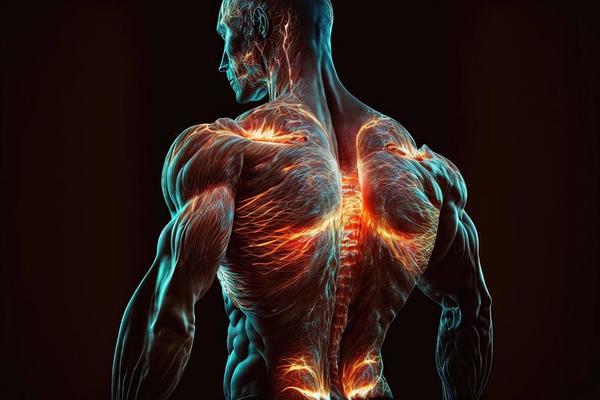
Skeletal muscle is the muscle type most commonly associated with movement and physical activity. It enables us to run, jump, lift weights, and perform a myriad of voluntary actions. Skeletal muscle is highly adaptable and responds to exercise training, allowing for strength gains and improvements in performance. Skeletal muscles are not uniform entities but rather a complex amalgamation of different muscle fiber types, each with its own unique characteristics and functions. Understanding the diversity within our muscles can provide valuable insights into athletic performance, exercise training, and overall muscle function. In the next post, we will take a deeper dive into the different types of skeletal muscle.
Structure and Function:
Skeletal muscle is composed of long, cylindrical cells called muscle fibers. These fibers are multinucleated and contain alternating light and dark bands called striations. Skeletal muscle attaches to bones via tendons, allowing for the generation of force and movement around joints. Unlike cardiac muscle, skeletal muscle is under voluntary control, meaning we can consciously initiate and regulate its contractions.

Function and Characteristics:

The primary role of skeletal muscle is to generate force and produce movement. It contracts and relaxes in response to signals from the nervous system, enabling us to perform a wide range of activities from delicate tasks requiring fine motor control to powerful, explosive movements. Skeletal muscle is adaptable and can undergo hypertrophy (increase in muscle size) and atrophy (decrease in muscle size) based on the demands placed upon it, making it responsive to exercise and training stimuli.

Smooth Muscle:
Smooth muscle is found in various organs and structures throughout the body, including the walls of blood vessels, digestive organs, and respiratory airways. It possesses unique characteristics that allow for controlled contractions and regulatory functions within these internal structures.
Structure and Function:
Smooth muscle cells are spindle-shaped and lack striations, giving them a smooth appearance under a microscope. Unlike skeletal and cardiac muscles, smooth muscles are not under voluntary control. Smooth muscle contractions are regulated by both the autonomic nervous system and local chemical signals. These muscles have a more limited regenerative capacity compared to skeletal muscle.


Function and Characteristics:
Smooth muscle plays a crucial role in regulating the diameter of blood vessels (vasoconstriction and vasodilation), controlling the movement of food through the digestive tract (peristalsis), and facilitating other involuntary movements within organs. Smooth muscle contractions are slow and sustained, allowing for long-lasting effects and fine-tuned control in response to changing physiological conditions.

Conclusion:
Cardiac, skeletal, and smooth muscles represent distinct and fascinating muscle types, each designed to serve specific functions within our bodies. From the rhythmic contractions of the heart to the voluntary movements of skeletal muscle and the regulatory actions of smooth muscle, these diverse muscle types contribute to our overall health and well-being. Understanding the characteristics and roles of each muscle type enhances our appreciation for the remarkable complexity and functionality of the human body.


Follow Mind, Body, Soul Chiropractic on Instagram or Facebook!
Book an appointment Here!
Subscribe to the Blog and stay up-to-date with posts!
Leave a Reply