
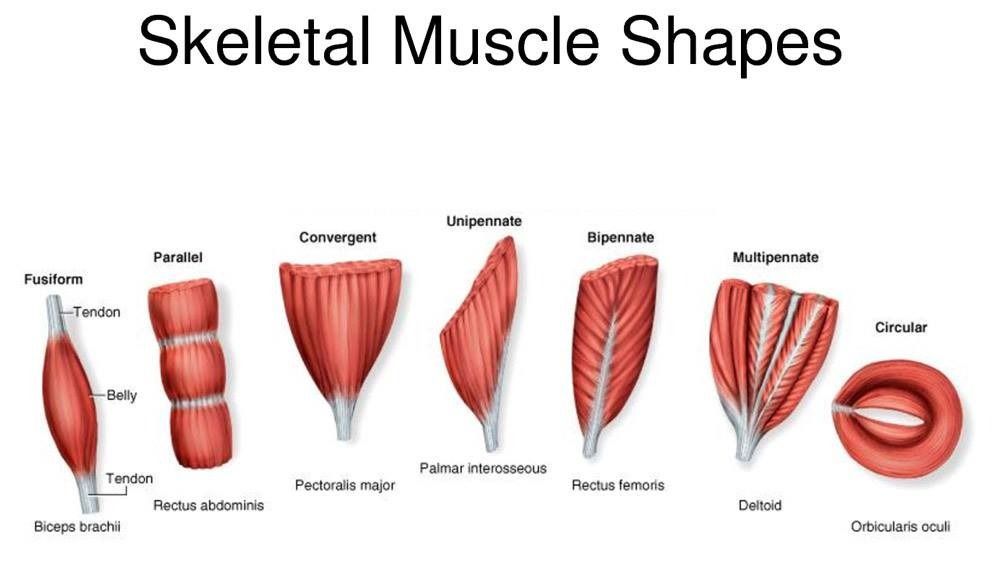

Skeletal Muscle:
Skeletal muscle is the muscle type most commonly associated with movement and physical activity. It enables us to run, jump, lift weights, and perform a myriad of voluntary actions. Skeletal muscle is highly adaptable and responds to exercise training, allowing for strength gains and improvements in performance. Skeletal muscles are not uniform entities but rather a complex amalgamation of different muscle fiber types, each with its own unique characteristics and functions. Understanding the diversity within our muscles can provide valuable insights into athletic performance, exercise training, and overall muscle function. In this blog post, we will delve into the fascinating world of muscle fiber types, shedding light on their distinct properties and roles in human physiology.
Slow-Twitch (Type I) Muscle Fibers:

Slow-twitch muscle fibers, also known as Type I fibers, are well-suited for endurance activities. These fibers are characterized by a high resistance to fatigue and a slower contraction speed. Key features of Type I fibers include:
Structure and Function:

Slow-twitch muscle fibers contain a rich supply of mitochondria, which are responsible for energy production through aerobic pathways. They also have a high concentration of myoglobin, a pigment that aids in oxygen storage within the muscle. Type I fibers possess a well-developed capillary network, ensuring efficient oxygen delivery and waste removal.
Performance and Activities:
Type I fibers are primarily involved in activities that require prolonged contractions, such as long-distance running, cycling, and endurance events. These fibers provide sustained muscle contractions without rapid fatigue, making them crucial for maintaining posture and performing repetitive tasks over extended periods.

Fast-Twitch (Type II) Muscle Fibers:
Fast-twitch muscle fibers, also known as Type II fibers, encompass two subtypes: Type IIa and Type IIb (or Type IIx). These fibers are characterized by their rapid contraction speed but are more prone to fatigue compared to Type I fibers. Let’s explore each subtype in detail:
Type IIa Muscle Fibers:

Type IIa muscle fibers possess properties that bridge the gap between slow and fast muscle fibers. They exhibit a blend of endurance and strength characteristics. Key features of Type IIa fibers include:
Structure and Function:

Type IIa fibers have a relatively high oxidative capacity due to an increased number of mitochondria and myoglobin content. They also have a higher glycolytic capacity compared to Type I fibers, allowing them to generate energy through anaerobic pathways.
Performance and Activities:
Type IIa fibers are involved in activities that require a balance between endurance and power, such as middle-distance running, swimming, and team sports like soccer or basketball. These fibers contribute to both sustained efforts and quick bursts of power.

Type IIb (Type IIx) Muscle Fibers:

Type IIb muscle fibers, often referred to as fast-twitch glycolytic fibers, possess remarkable strength and power capabilities but are more susceptible to fatigue. Key features of Type IIb fibers include:
Structure and Function:

Type IIb fibers have a lower oxidative capacity, fewer mitochondria, and lower myoglobin content compared to Type I and Type IIa fibers. Instead, they rely heavily on anaerobic glycolysis for energy production, allowing for rapid and forceful contractions.
Performance and Activities:
Type IIb fibers are primarily engaged during activities that demand short bursts of maximal power, such as sprinting, weightlifting, and explosive movements in sports like gymnastics or tennis. These fibers provide the explosive strength required for rapid acceleration and intense bursts of force

Fiber Type Plasticity:

It’s important to note that the distribution of muscle fiber types within an individual’s muscles is not fixed and can be influenced by various factors, including genetics, training, and age. Endurance training, for instance, can enhance the oxidative capacity of Type II fibers, shifting their characteristics toward a more “slow-twitch” profile.
The diverse array of muscle fiber types within our bodies allows us to accomplish a wide range of physical activities. From the endurance capabilities of slow-twitch fibers to the explosive power of fast-twitch fibers, each muscle fiber type has its role to play in our overall muscular function. Understanding the characteristics and adaptability of these fibers can help individuals tailor their training regimens, optimize athletic performance, and promote overall muscle health. So, let’s celebrate the remarkable complexity of our muscles and embrace the unique qualities that make us capable of incredible physical achievements.


Sign Up to Receive Emails for New Posts:
Schedule Appointments Here
Leave a Reply